Technically, charging an EV is very simple. You plug it in, that’s it. You can plug in to a regular AC wall outlet (~3 kW) for a slow (~12 hr) charge, to an AC (~7 kW) charger for a full charge in a few hours, or to a DC fast charger (25-350 kW) for a full charge in about 30 minutes. However, we have found that when using public charging stations in Europe (mostly) & Nova Scotia, there can be a variety of hiccups before the electrons start flowing.
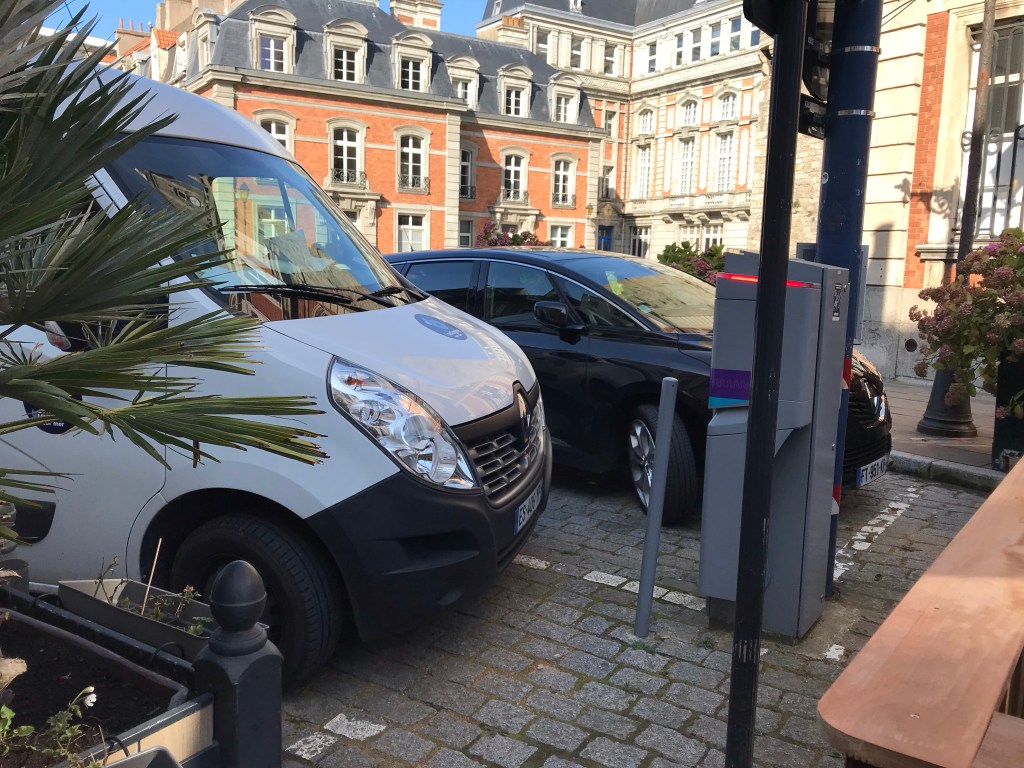
1) A vehicle is parked in the EV charging spot:
- the charger is in use
- an EV is parked there but not charging
- a gas vehicle is parked there
- an app indicates that the charger is available, but it is not
2) The charger requires an app, website or a key fob to start rather than simply tapping a credit card as we do to pump gas:
- sometimes the app and the charger do not communicate well
- keep informed of the information provided by your key fob provider (consolidator) to ensure it will function as expected
3) The charger infrastructure does not match your vehicle port or cable connector:
- the charging outlet is outdated
- the charger connector is not the type that your car accepts (ex. CCS vs CHAdeMO)
4) Only a domestic outlet is available on a charger to provide a slow charge, which is often not helpful for public charging (for a road trip).
5) The charger is in a private parking lot.
6) The parking spot by the charger is:
- an accessible spot
- a tow away zone
- nonexistent (i.e. one spot for two chargers)
7) The charger is powered down:
- it is old and never used
- it requires technical support from customer service to get it going
8) The charger power is on, but will not charge the vehicle. Customer service cannot troubleshoot the problem successfully over the phone. A site visit is required.
9) Two step verification is sometimes required by North American credit card companies to use a card for an internet (app) purchase. We were not able to access the code that is texted to our phone number on file. The phone number must be North American, so we used a family member’s phone number, but they are not always available when we needed the code.
10) Cost:
- some apps require prepaid credit before they will charge the vehicle
- some apps/websites add a flat fee to the per kW or per minute price if you are not a subscriber
- the highest prices we encountered were 52.27 Euros/hr and 0.79 Euros/kWh (lowest cost was 0)
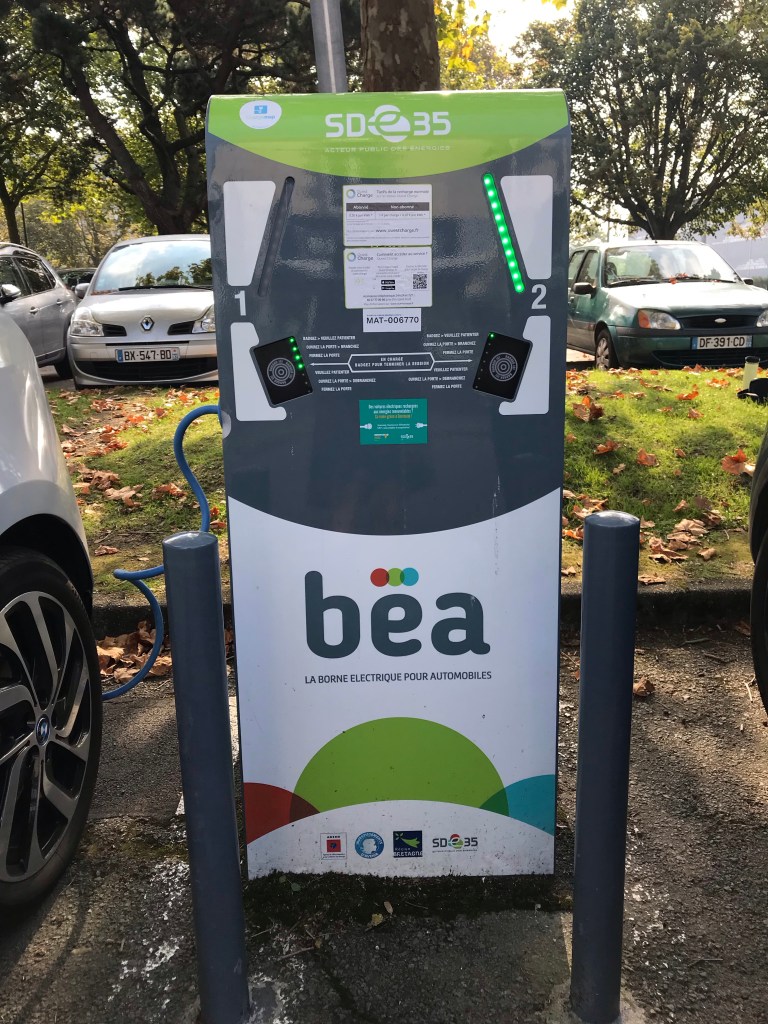
Despite these inconveniences, I would do it again for sure. There is a learning curve, but it feels great to drive a clean, peppy & quiet vehicle.
*See all of our charging data & notes in an Excel file on the blog home page.

 Carbon conscious COVID dodging family travel