1) Make sure you know if you are paying per kWh or per minute. We found per kWh more economical as we were often charging from 50-100%. (I believe the recommended way to charge is from ~20-80%, but we were not confident with this until the end of our rental period.)
2) If you have the choice, choose the charger that matches the maximum power of your vehicle (ours was 50 kW). We saved money when we realized we could charge just as quickly at the smaller Ionity chargers for half the price.
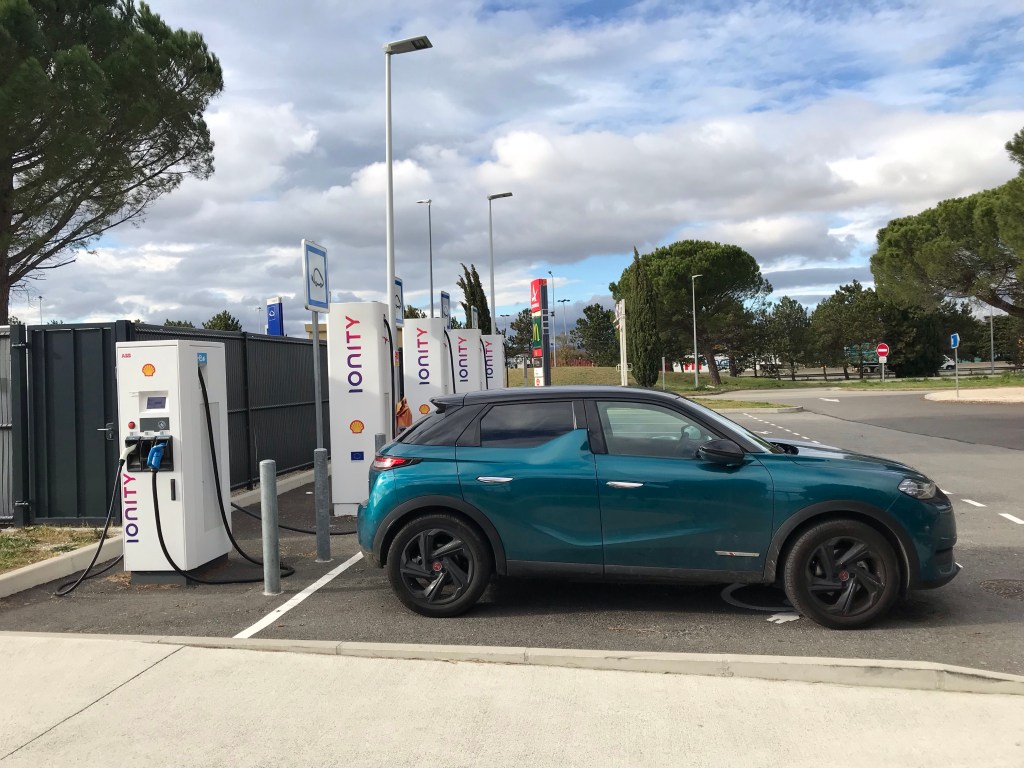
3) Order a key fob from a consolidator ASAP, because they take awhile to come in the mail. Public charging became much easier for us when we had the fob. (We used Plugsurfing.)
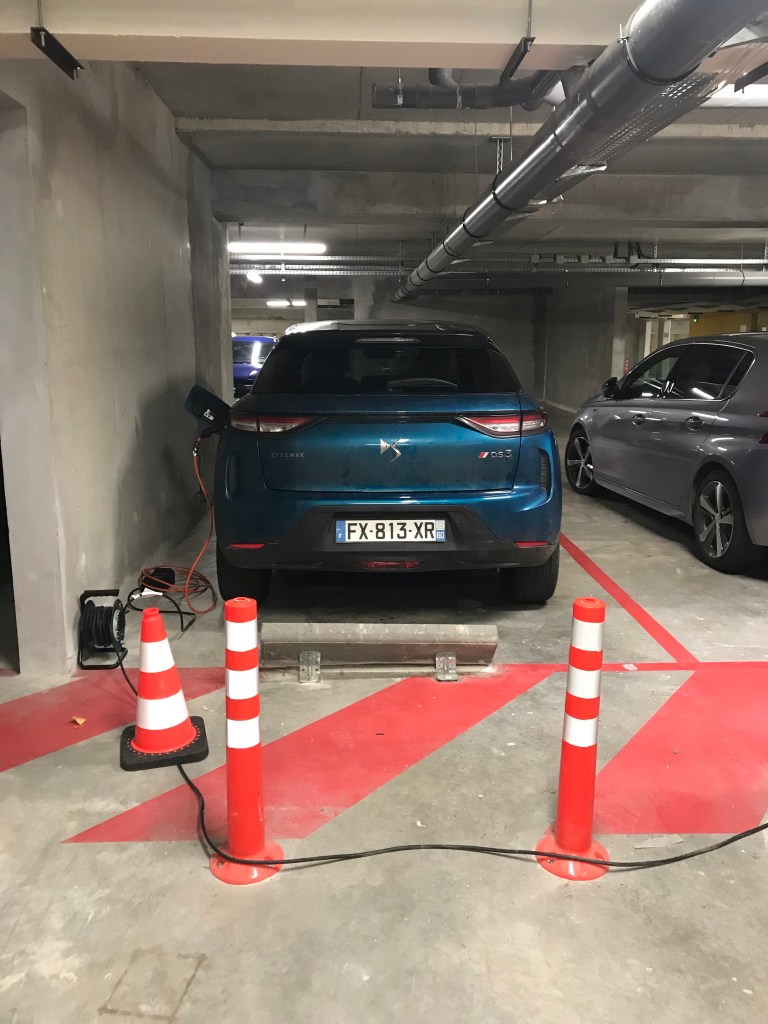
4) Check with your accommodations contact as to whether or not you can charge at their facility. We charged for free at hotels & Airbnbs, and paid domestic rates to the people we house sat for.
5) Useful apps in France: TotalEnergy, Chargemap, freshmile, Ionity, OuestCharge. (Plugsurfing too, but our Canadian App Store wouldn’t let us access it.)
6) On holidays when more people are travelling, chargers are in use more often. Add some time to your itinerary to wait for a charger. In general, you need to have a plan B in case the charger you are planning to use is unavailable/out of order etc.
PS: There are often no washrooms associated with public chargers except at highway rest stops.
*See all of our charging data & notes in an Excel file on the blog home page.

 Carbon conscious COVID dodging family travel